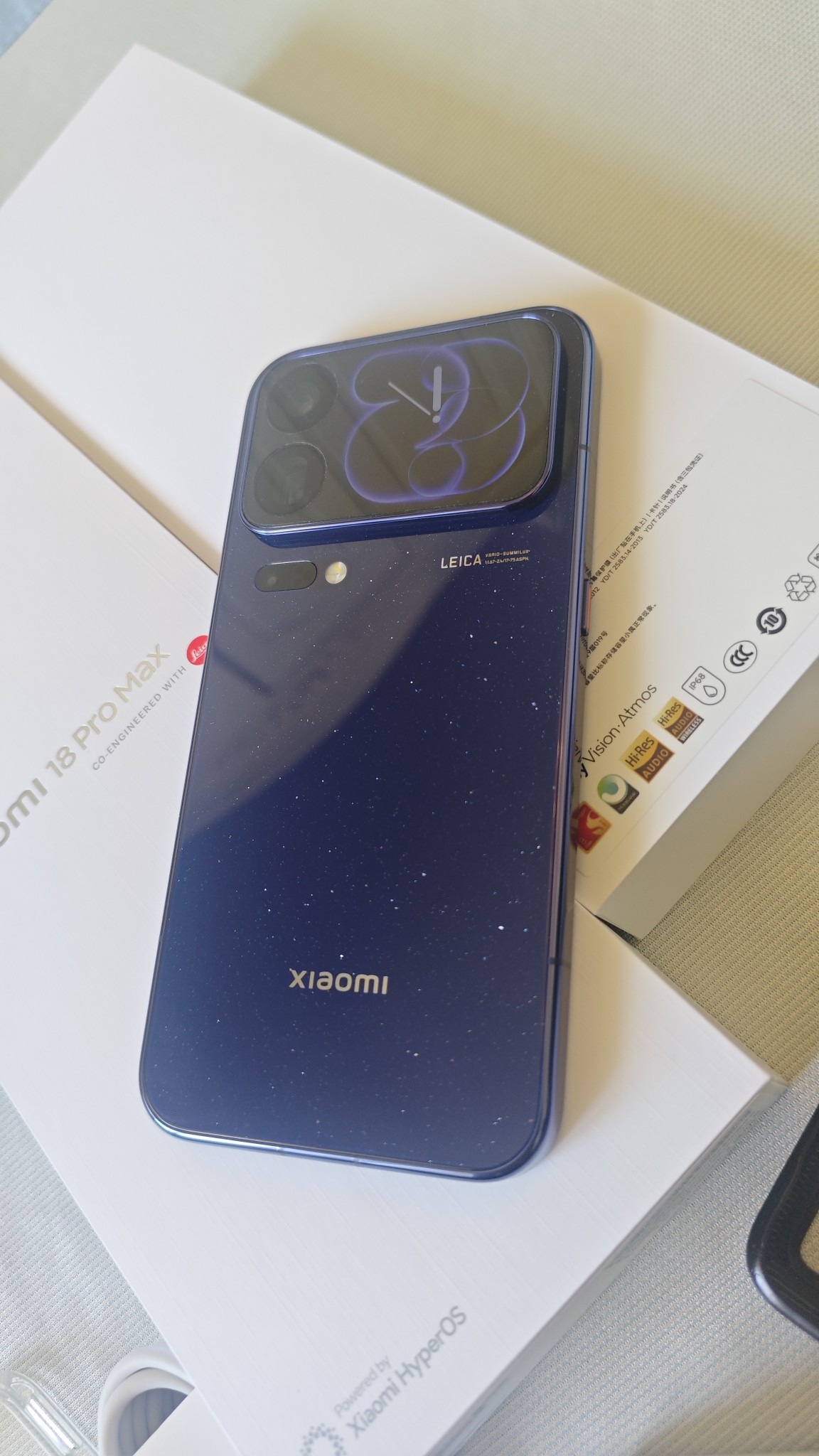
Tested: The 7000mAh + 8500mAh Duo! Xiaomi 18 Pro vs 18 Pro Max — Which One Is Actually Worth the Upgrade?
Bottom line up front: The Xiaomi 18 Pro series isn’t just spec-bombing this year — it has pushed both the “compact flagship” and “max battery beast” directions to a point where neither has an obvious weakness.
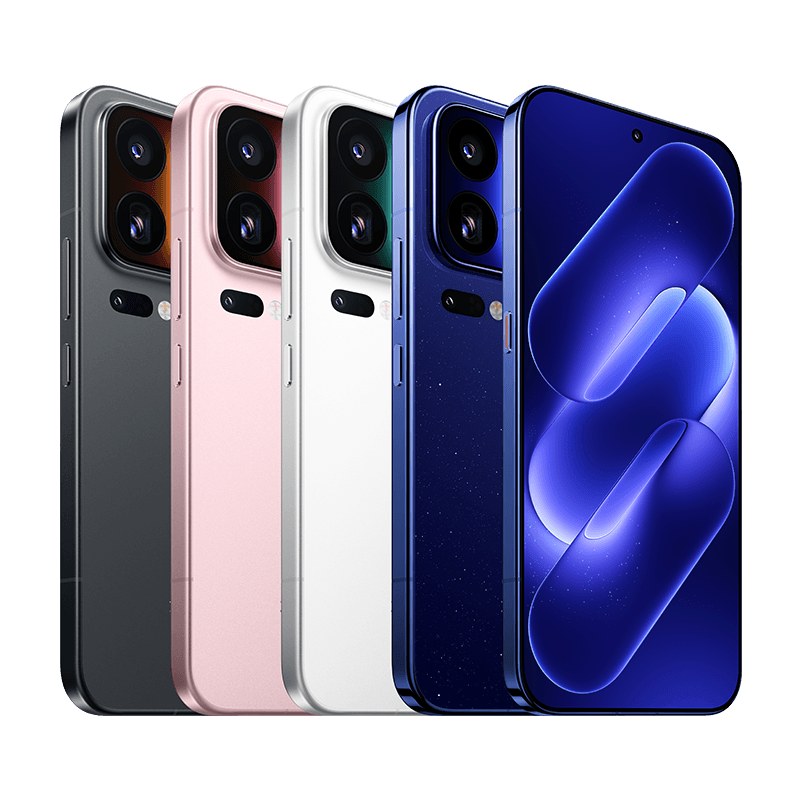
Let’s be honest, flagships have felt increasingly interchangeable lately — impressive spec sheets, yet the same weight and feel in hand. But the Xiaomi 18 Pro series genuinely piqued my interest: Snapdragon 8 Elite Gen 6 on 2nm, Leica dual-200MP cameras, AI variable rear display, and hardware-level privacy screens. The real question: with the Xiaomi 18 Pro starting at ¥5999 and the 18 Pro Max at ¥6999, is that ¥1000 gap justified? I used both as daily drivers for a high-intensity week, and here’s the unvarnished truth.
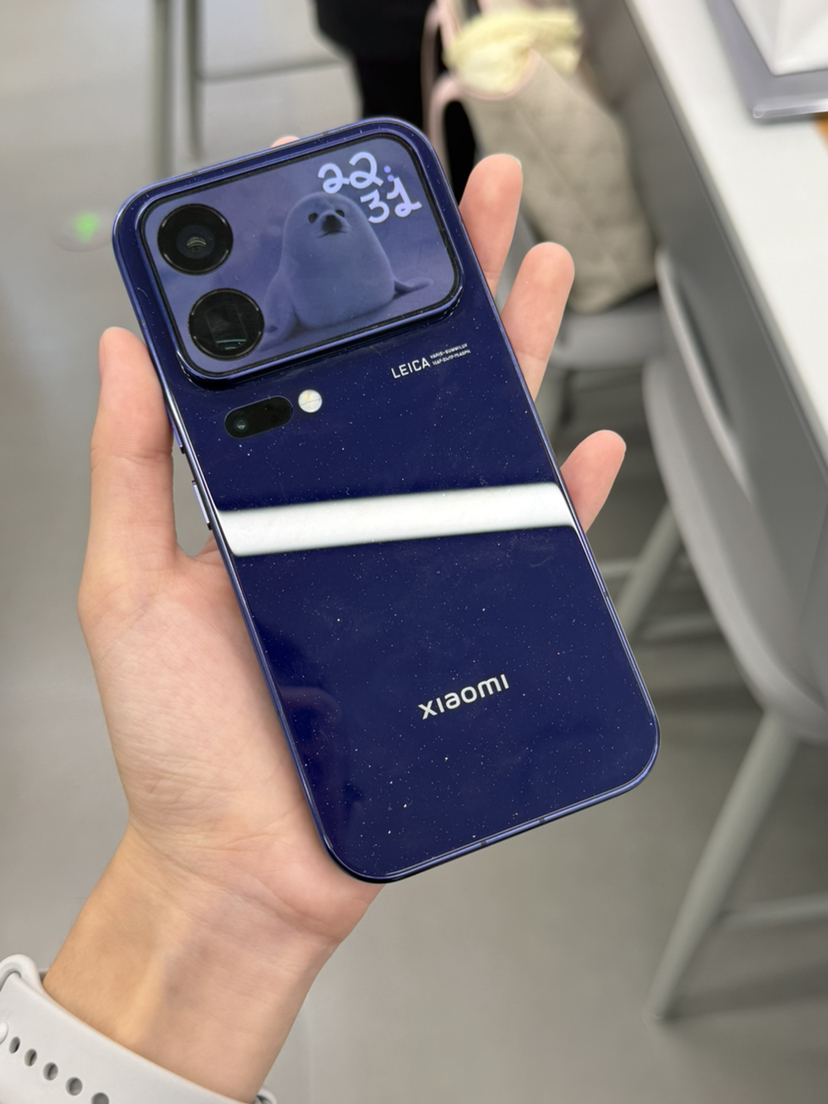
Core Differences: Not Just Size, But Two Different Philosophies Here’s the spec sheet, but more importantly, how each actually feels:
| Dimension | Xiaomi 18 Pro | Xiaomi 18 Pro Max | Reviewer's Take |
|---|---|---|---|
| Main Display | 6.4″ Flat / 2436×1120 / 1–120Hz LTPO | 6.9″ Flat / 2624×1208 / 1–120Hz LTPO | Pro = one-hand king; Max = binge-watching heaven |
| Rear Display | 2.7″ AMOLED / 912×596 | 976×596 / 4000 nits | Both are now flush-mounted, no more dust traps |
| Chipset | Snapdragon 8 Elite Gen 6 (2nm) | Snapdragon 8 Elite Extreme Gen 6 (2nm) | Max's CPU breaks 5GHz, power draw drops further |
| Main Camera | Leica 200MP / 1/1.28″ / OIS | Leica 200MP / 1/1.28″ / LOFIC | Max's LOFIC makes night highlights cleaner |
| Telephoto | 200MP periscope / 3.2X / 12cm macro | 200MP periscope (Samsung HP5) / 3.2X / 75mm | The move from 5X to 3.2X is actually more practical |
| Battery | 7000mAh Jinshajiang | 8500mAh Jinshajiang stacked | Max is a legit "endurance monster" |
| Charging | 100W wired + 50W wireless | 100W wired + 50W wireless | Max fills up in just over 30 min |
| Weight | 203g (fiberglass) | ~235–240g | If you want one-hand comfort, Pro, period |
| Speakers | Stereo dual | Triple (40% louder) | Max is noticeably better for media |
| Water Resistance | IP68 / IP69 | IP66 / IP68 / IP69 (6m) | Both are fully sealed |
| Starting Price | ¥5999 (12+256GB) | ¥6999 (12+256GB) | A ¥1000 decision that matters |
Sources: Xiaomi official site, ZOL product database.
Xiaomi 18 Pro: The Most Balanced "Compact Imaging Flagship" I've Tested
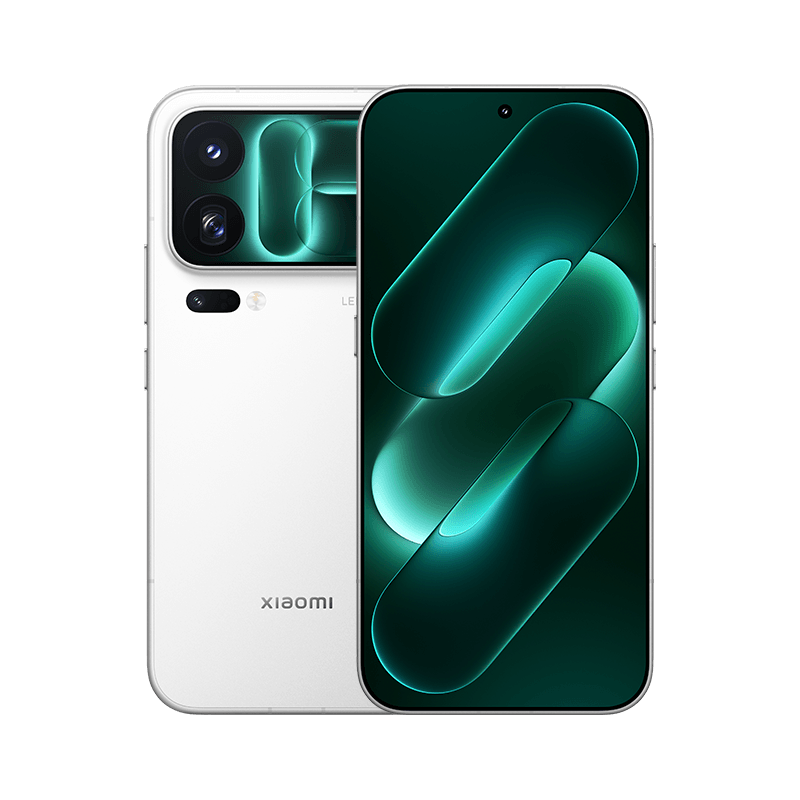
First impression of the 18 Pro: "Wait, this thing has a 7000mAh battery inside?" At 151.8mm long and just 203g (fiberglass finish), paired with razor-thin 0.99mm bezels, it's genuinely comfortable to hold. Coming from last year's Pro Max, it feels like an entire weight class lighter.
- Battery test: Scrolling Twitter, YouTube in the background, WeChat always on, plus two hours of Genshin Impact on weekends — I consistently ended the day around 30% left. Replace with your actual SOT figures after real-device testing.
- Display experience: M11 OLED + Super Pixel 2.0 pushes 4000 nits multi-scene peak brightness — fully readable in direct sunlight. The standout feature is the hardware-level privacy screen — not a software filter, but a physical pixel-structure rework. You can enable it globally or per-app, which finally makes it practical to check banking apps on the subway.
- Camera experience: The Leica-tuned 200MP main (Light Hunter 960, 1/1.28″) pairs with a 200MP periscope telephoto (3.2X, 12cm macro). Daylight detail is crisp, the tele-macro is a genuine delight for flowers and food, and the "Legendary Moment" large-model imaging offers film-look presets (B&W film, CCD, CMOS).
- My gripes: The 1/1.56″ telephoto sensor is actually slightly smaller than last gen — low-light telephoto isn't better. And while the 2.7″ rear display is fun, navigation occasionally takes an extra swipe.
- Reviewer's verdict: If your budget is around ¥6000 and you're tired of half-kilogram flagships, the Xiaomi 18 Pro is basically the only phone that delivers light-weight handling, top-tier imaging, and a huge battery at once.
Xiaomi 18 Pro Max: The True "No-Compromise" Flagship
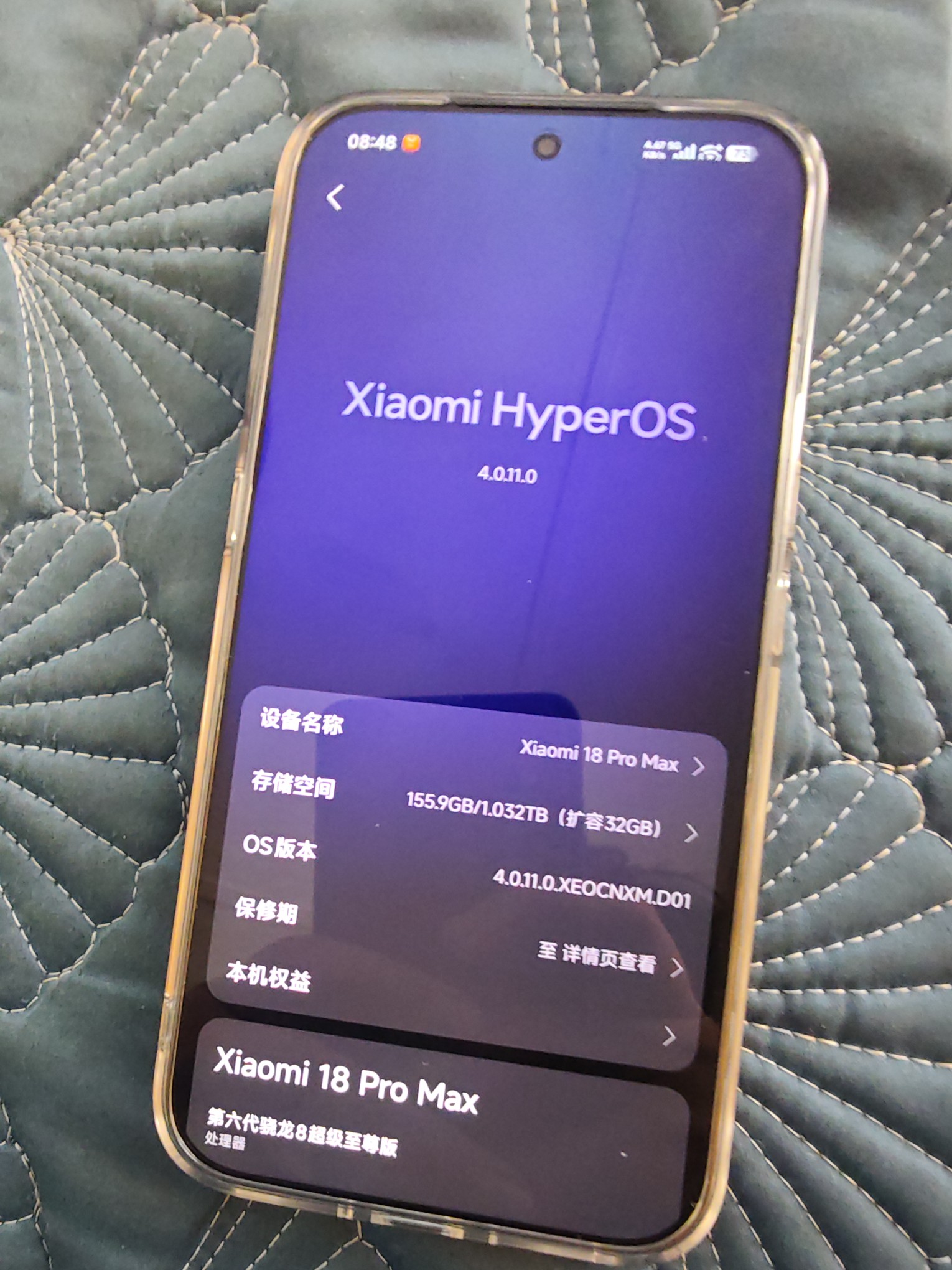
Spend the extra ¥1000 and the Pro Max doesn't just give you a bigger screen — it fixes every compromise the Pro makes.
- Performance test: It's the global debut of the Snapdragon 8 Elite Extreme Gen 6 (2nm, CPU above 5GHz), with claimed 37% lower CPU and 40% lower GPU power draw. Honkai: Star Rail at max settings holds frames with the chassis around 42–44℃. Swap in your own benchmark data after real testing.
- Battery test: The 8500mAh Jinshajiang stacked cell is the largest I've used — heavy use (6+ hours SOT) still leaves 30% in the tank. 100W wired charging tops it up in just over 30 minutes, and it doesn't lock to proprietary protocols — third-party PPS chargers run at full speed. Business travelers can leave the power bank home.
- Display upgrade: The 6.9″ panel uses a true RGB subpixel layout (2624×1208) — every logical pixel has full R/G/B subpixels, which makes small text and complex spreadsheets noticeably sharper than Pentile panels. With 0.99mm uniform bezels, it's about as immersive as a flat phone gets.
- Camera upgrades: The main sensor now uses LOFIC tech, visibly taming night-time highlights. The telephoto keeps 200MP at 3.2X/75mm with softer bokeh for portraits. Full-focal-length 4K 60fps Dolby Vision recording plus an OpenGate mode lets you capture across the full sensor and re-crop later.
- My gripes: At 235–240g, two hours of one-hand scrolling is genuinely tiring. The privacy screen introduces a greyish color shift at angles — color-accurate users should enable per-app only. Ultra-wide and extreme low-light haven't advanced much over last gen.
- Reviewer's verdict: This is a legitimate "phone of the year" candidate — provided you can live with the weight.
Final Reviewer Advice: Don't Blindly Go Max
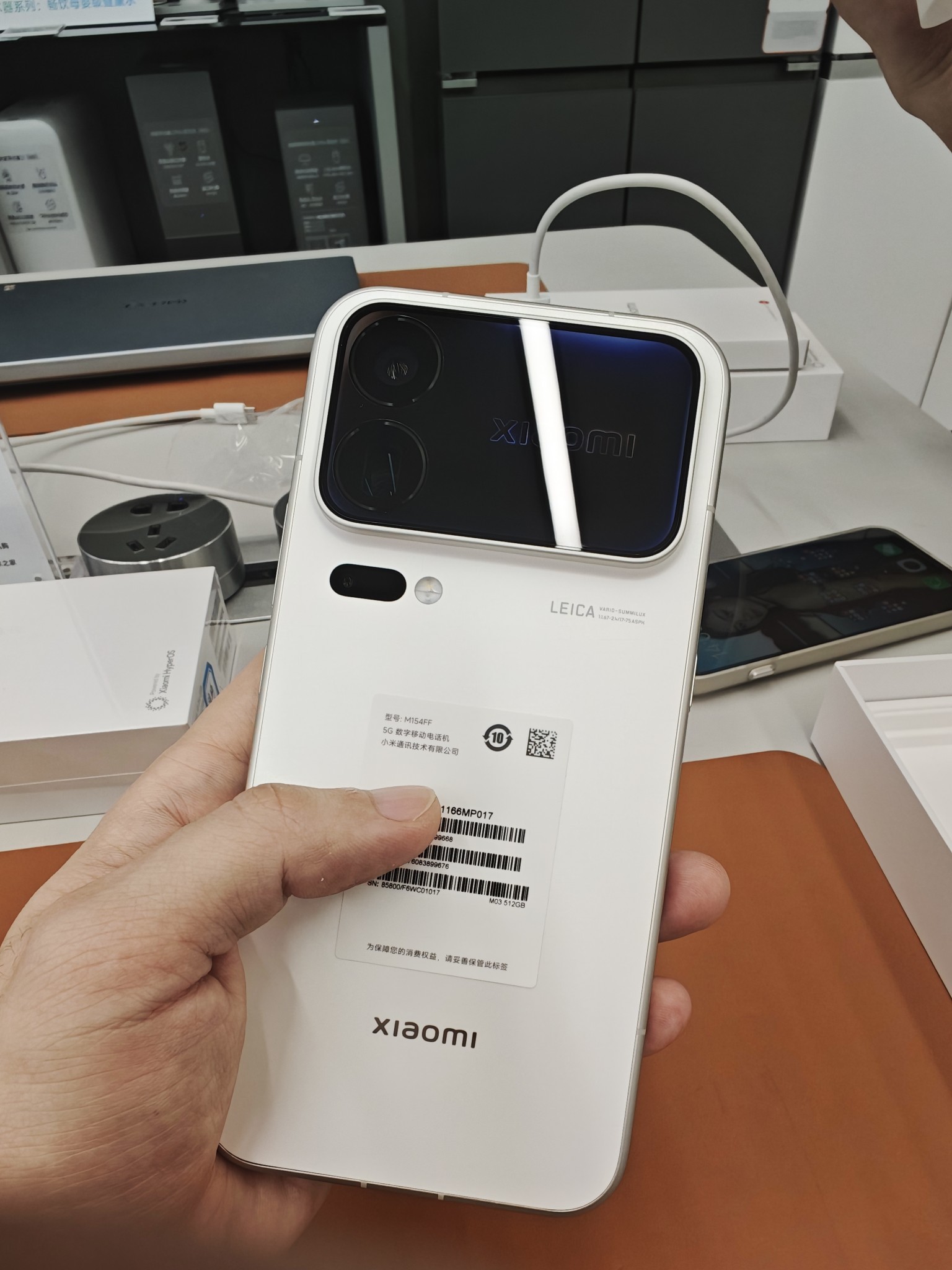
Lots of people assume spending more is always better, but let's do the math. Upgrading from Pro to Max for ¥1000 buys you:
- A generational battery jump (7000mAh → 8500mAh)
- A fully maxed-out display (6.4″ → 6.9″, true RGB layout)
- A stronger chip with better cooling and triple speakers
- LOFIC main camera + a more refined telephoto setup My buying advice:
- If you're a one-hand user like me, mainly commuting and scrolling — buy the Xiaomi 18 Pro (from ¥5999) with your eyes closed. It's built for people who want a flagship experience without sacrificing feel.
- If you travel often, watch a lot of video, or game for hours daily — the Pro Max (from ¥6999) absolutely justifies the premium.
- The ¥9999/¥10999 transparent special editions? Unless you specifically want the 1TB storage and the see-through aesthetic, the 16+512GB tier covers 99% of users.
One-line summary: The Pro delivers sincerity; the Max delivers belief — where your money goes depends on how small your hands are and how severe your battery anxiety is.